
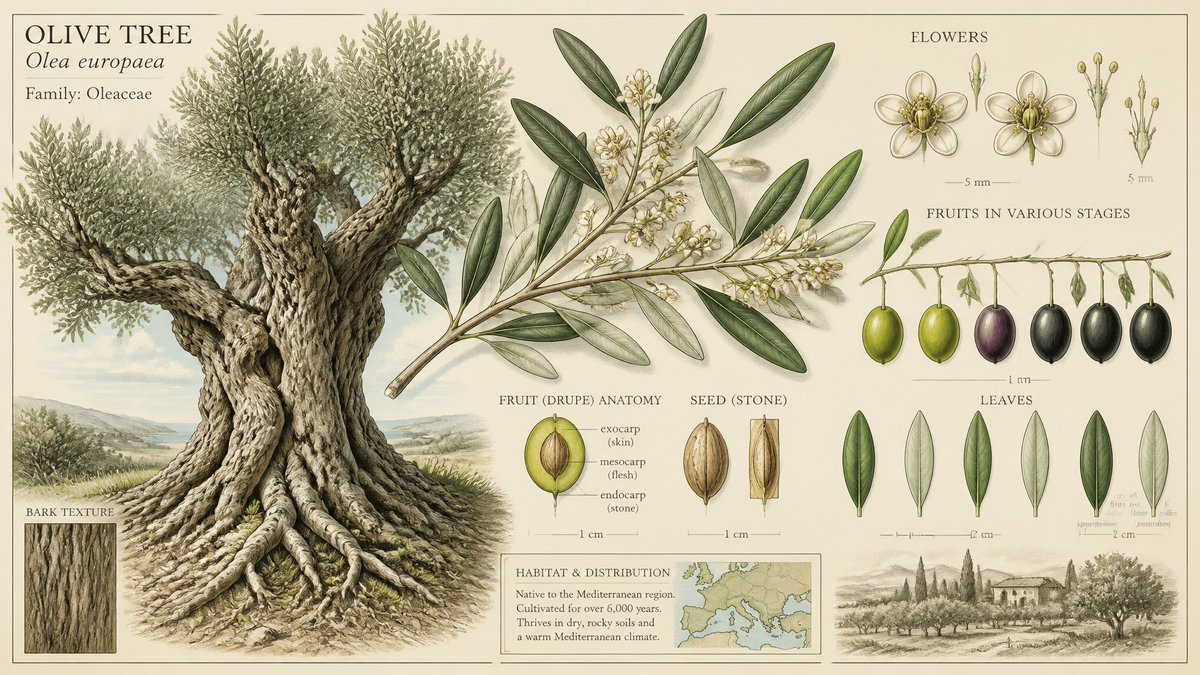
For plant-study illustrators, botany educators, and visual researchers, a scientific botanical illustration prompt offers a direct route from a named specimen to an elegant naturalist plate with detailed leaves, petals, roots, and restrained natural color.
Image Examples


Strategic Deployment Guide
Model fit: ChatGPT Image is the primary choice when you want tight instruction following across specimen, anatomy, and vintage plate styling. Gemini is a useful fallback for testing softer natural color and alternate compositions. Replace only the plant variable first, then compare anatomical fidelity before adding extra descriptors.
scientific botanical illustration prompt Code
Scientific botanical illustration of [plant/flower], highly detailed leaves, petals, roots, natural colors, elegant composition, vintage naturalist style, precise and beautifully rendered.Implementation Steps
- Name one specimen: Replace the plant-or-flower variable with a precise common or Latin plant identity, such as olive tree, moth orchid, sunflower, or wild strawberry, and keep that identity consistent across the composition.
- Keep the anatomy visible: Lock the plate layout around leaves, petals, and roots; for woody plants, add bark, fruit, or flower reference details only when they help identify the specimen.
- Review botanical coherence: Audit leaf arrangement, flower structure, root form, and the composition linking the whole plant to its detail studies before using the plate as a production asset.
Application Scenarios
- Classroom study sheets: Generate a clear whole-plant plate that students can compare with labeled anatomy references.
- Garden newsletter pages: Create vintage-inspired art for plant profiles, seed journals, or seasonal growing guides.
- Species study collections: Hold the plate language constant while changing the specimen to build a visually consistent asset series.
Why This Prompt Works
The subject variable makes the prompt reusable, while the anatomy terms keep the image informative rather than purely decorative. “Natural colors” limits synthetic saturation, and “vintage naturalist style” establishes an orderly study-plate context without prescribing a rigid grid. The final precision cue encourages crisp edges and legible plant structure.
Troubleshooting & Optimization
- If the species looks generic: use the Latin name and add one diagnostic trait, such as opposite leaves or a specific petal count.
- If roots or petals deform: ask for a single intact specimen with separate supporting detail studies instead of many overlapping plants.
- If the plate feels too modern: reinforce restrained natural pigments, off-white paper, and nineteenth-century naturalist engraving discipline.
scientific botanical illustration prompt FAQ
- Q: What is a scientific botanical illustration prompt?
A: It is a reusable image instruction that combines a named specimen, visible plant anatomy, natural color, and an orderly naturalist-plate style. - Q: Which part should I edit first?
A: Change only the bracketed plant or flower name for the first generation. Add one identifying feature only if the model produces an ambiguous species. - Q: Can I treat the image as a scientific reference?
A: No. Check morphology against a trusted herbarium, field guide, or botanist before educational or scientific use.
Use this prompt to generate your version? Share the result in the comments.
Explore more? View Image & Design or Prompt Engineering Guides.
I hope you found this scientific botanical illustration AI prompt helpful.
Follow @bigprompt for more prompts and workflow systems.
Continue with these visual prompt workflows:
Build a layered Kyoto postcard diorama
Design a bilingual English reading infographic
Turn a reference video into a reusable superprompt
Stage an oversized-product fashion campaign
Plan a cinematic thermos bottle product video
Big Prompt Hub Review
This is a compact, flexible prompt for coherent plant-study plates. Its strongest feature is the balance between anatomical detail and restrained naturalist styling across very different specimens. Its main limitation is scientific accuracy: image models may invent veins, petals, fruit, or root structures, so every plate still needs informed human review.